Understanding Cloud Computing: A Comprehensive Guide
Introduction to Cloud Computing
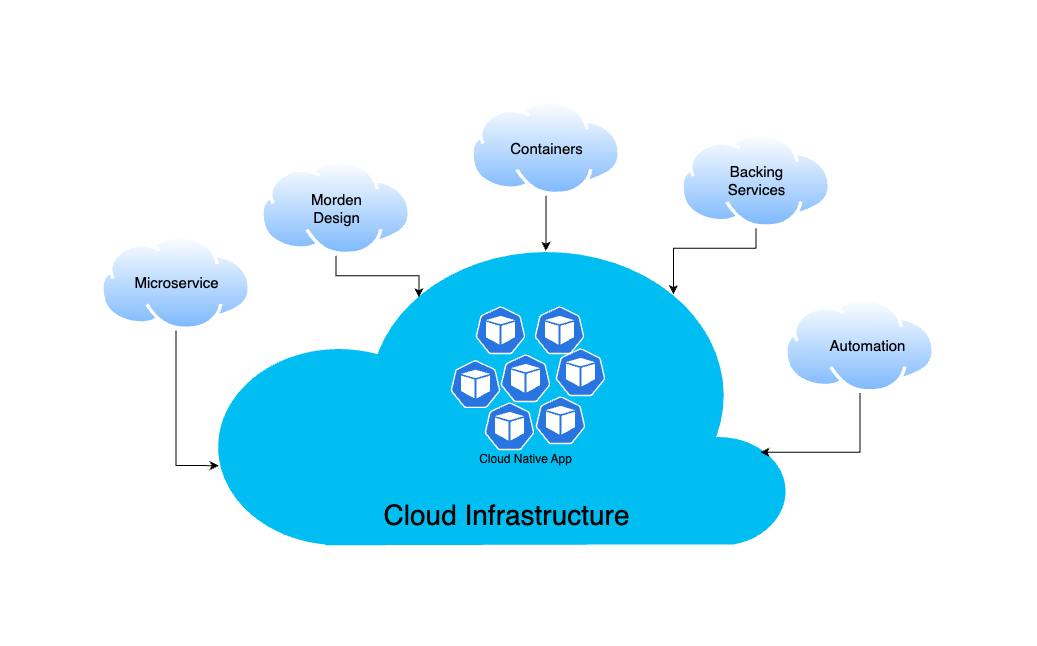
Cloud computing is fundamentally transforming the way individuals and organizations manage their data and applications. At its core, cloud computing refers to the delivery of computing services—including storage, processing, and software—over the internet, often referred to as “the cloud.” This model allows users to access and utilize resources on demand, without the necessity of direct physical management of hardware or software resources.
The evolution of cloud computing can be traced back to the 1960s, but it was not until the late 1990s and early 2000s that it gained significant momentum. The advent of high-speed internet and advancements in virtualization technology laid the groundwork for the first cloud service providers, which offered simple storage and web hosting solutions. Over time, these services expanded to include comprehensive infrastructures, platforms, and software capabilities, leading to the emergence of public, private, and hybrid cloud models.
Several key characteristics distinguish cloud computing from traditional computing methods. First, cloud services provide on-demand self-service; users can access resources as needed without human intervention from service providers. Second, the scalability of cloud resources is remarkable, allowing businesses to scale applications automatically to meet changing demands. Third, cloud computing is designed to be accessible from anywhere with an internet connection, enabling mobile and remote work capabilities. Finally, cost efficiency is a significant advantage; organizations can avoid the upfront costs associated with physical hardware and pay only for what they use.
The Different Types of Cloud Computing
Cloud computing can be broadly categorized into three main types: public, private, and hybrid clouds. Each of these types has its defining structure, advantages, and practical applications that cater to different organizational needs.
Public cloud computing is based on a model where services are delivered over the internet and are made available to multiple users. This type of cloud is owned and operated by a third-party service provider, who provides resources such as servers and storage shared among various clients. The primary benefits of public cloud solutions include scalability, cost-effectiveness, and reduced management overhead. Organizations often leverage public clouds for non-sensitive, low-security applications, content storage, and development testing environments.
Conversely, private cloud computing involves a dedicated infrastructure reserved exclusively for a single organization. This type of cloud can be hosted on the organization’s premises or managed by third-party providers but remains inaccessible to external users. The key benefits of private clouds include enhanced security and compliance, greater control over resources, and customizable configurations tailored to specific business needs. Organizations that require strict data governance or have regulatory compliance requirements often favor private cloud infrastructures.
Lastly, hybrid cloud computing represents a combination of both public and private clouds. This approach allows organizations to take advantage of the scalability of the public cloud while maintaining sensitive workloads in a private cloud environment. By leveraging a hybrid cloud model, businesses can optimize their operations, enhance flexibility, and ensure a seamless integration of on-premise and cloud resources. Such a model is particularly beneficial for organizations that experience fluctuating workloads and seek to maintain optimal performance and cost-efficiency.
Key Components of Cloud Computing
Cloud computing is a multi-faceted technology that relies on various essential components working in unison. Understanding these key components provides deeper insight into how cloud computing delivers scalable and flexible services to users and organizations alike.
Firstly, servers are fundamental to cloud computing. They serve as the backbone that hosts applications and services in the cloud. These servers can be physical machines or virtual servers, allowing for on-demand resource allocation depending on the user’s requirements. This flexibility not only enhances performance but also optimizes costs.
Secondly, storage solutions are critical in the cloud ecosystem. Cloud providers utilize vast data centers filled with storage devices that allow users to store and retrieve large amounts of data remotely. Technologies such as Object Storage, Block Storage, and File Storage offer different methods of data access and management, catering to varying user needs.
Databases constitute another key element, handling structured and unstructured data essential for application functionality. Cloud computing environments often incorporate Database-as-a-Service (DBaaS), simplifying database management tasks while ensuring scalability and high availability.
Networking components facilitate the connectivity and communication of various cloud resources. This includes configurations for Content Delivery Networks (CDNs), Virtual Private Networks (VPNs), and other networking protocols that ensure secure and efficient transfer of data between users and cloud services.
Additionally, software components such as applications and platforms are critical. Cloud computing is often delivered through Software-as-a-Service (SaaS), enabling users to access applications over the internet without complex installations. This promotes ease of use and accessibility, regardless of the end user’s device.
Lastly, analytics play a crucial role as they process the vast amounts of data generated within the cloud infrastructure. By harnessing analytics tools, organizations can gain valuable insights, optimize performance, and make informed decisions.
Advantages of Cloud Computing
Cloud computing has revolutionized the way businesses operate by offering a plethora of advantages that enhance efficiency and drive innovation. One of the most significant benefits is cost-efficiency. Traditional IT infrastructure often requires substantial upfront investment in hardware and maintenance. In contrast, cloud services typically operate on a pay-as-you-go model, allowing organizations to invest in only the resources they need. This flexibility in payment reduces overall costs while preserving capital for other critical operational needs.
Another key advantage of cloud computing is scalability. Businesses can quickly scale their resources up or down based on demand, which is particularly valuable during fluctuating market conditions. For instance, an e-commerce platform can ramp up its resource allocation during peak shopping seasons and reduce it afterward, thereby optimizing resource utilization and expenses.
Moreover, cloud computing provides enhanced flexibility. Employees can access data and applications from anywhere with an internet connection, enabling remote work and increasing productivity. This aspect has been particularly evident during the global pandemic, where many companies transitioned to remote work seamlessly, utilizing cloud platforms to maintain operations without disruption.
Collaboration is also significantly improved through cloud computing. With cloud-based tools, multiple users can work on the same documents or projects simultaneously, regardless of their geographical location. For example, companies like Google have leveraged cloud technology to enable teams to collaborate in real-time using applications like Google Workspace, thereby streamlining workflow and ensuring that everyone is on the same page.
In summary, the advantages of cloud computing offer substantial benefits, including cost-efficiency, scalability, flexibility, and enhanced collaboration, which can profoundly transform business operations and foster growth in a competitive landscape.
Challenges and Risks of Cloud Computing
While cloud computing presents numerous advantages including scalability, flexibility, and cost efficiency, it is not without its challenges and risks. One of the most prevalent concerns revolves around security. As organizations move their data and applications to the cloud, they often become exposed to a variety of cybersecurity threats such as data breaches, loss of data, and unauthorized access. These vulnerabilities can arise from insufficient security protocols, which can place sensitive information at risk.
Another significant challenge is compliance with various regulations and standards. Many organizations operate under strict regulatory guidelines, such as GDPR or HIPAA, which mandate how personal data should be handled and protected. Non-compliance can lead to severe penalties, thus complicating the management of cloud resources. Organizations must remain vigilant in understanding the specific compliance requirements applicable to their industry, which necessitates a well-structured approach to cloud governance.
Furthermore, the complexity of cloud management can pose challenges for organizations transitioning from traditional infrastructures. Managing cloud resources involves understanding diverse cloud deployment models, ensuring interoperability between different systems, and maintaining optimal performance. This complexity is compounded when dealing with multi-cloud environments, where multiple services from different providers are utilized. Organizations need to invest in appropriate management tools and skilled personnel to navigate this intricate landscape effectively.
To mitigate these challenges, organizations can adopt a proactive strategy that encompasses robust security measures, regular compliance audits, and comprehensive management solutions. Utilizing encryption, implementing access controls, and conducting routine security assessments are integral to minimizing risks associated with cloud computing. By being aware of the potential challenges and taking steps to address them, organizations can fully leverage the benefits that cloud computing has to offer.
Popular Cloud Service Providers
Cloud computing has revolutionized the way organizations manage data and services, leading to the emergence of several dominant players in the market. Among them, Amazon Web Services (AWS), Microsoft Azure, and Google Cloud stand out as leading cloud service providers, each offering a unique set of services tailored to various sectors.
Amazon Web Services (AWS), launched in 2006, has gained substantial traction due to its extensive suite of cloud solutions. With more than 200 fully-featured services, AWS caters to startups, enterprises, and public sector organizations. Its offerings range from computing power and storage options to advanced analytics and machine learning capabilities. The flexibility and scalability of AWS make it a preferred choice for businesses looking to optimize their digital infrastructure.
Microsoft Azure ranks among the top competitors in the cloud domain, providing a robust platform for application developers and enterprise IT. Launched in 2010, Azure supports a wide range of programming languages, tools, and frameworks, catering primarily to businesses that already operate on Microsoft technologies. Its seamless integration with other Microsoft services positions Azure as an ideal choice for organizations seeking to leverage existing infrastructure and enhance collaboration with tools like Office 365.
Google Cloud, while relatively newer than AWS and Azure, has quickly established itself in the marketplace. Renowned for its data analytics and machine learning products, Google Cloud focuses on helping businesses harness the power of their data. Its services are particularly attractive to companies in sectors such as e-commerce, finance, and ad tech, as they benefit from scalability and data-driven insights.
In summary, these cloud service providers offer a variety of solutions, catering to different audience needs and preferences. Organizations can select from these platforms based on their specific requirements, budget, and existing technology stack, thus operating more efficiently in a cloud-centric world.
Future Trends in Cloud Computing
The landscape of cloud computing is continuously evolving, driven by technological advancements and an increasing demand for efficiency. Emerging trends indicate a significant shift towards the integration of edge computing, artificial intelligence (AI), and greater automation within cloud environments.
Edge computing is gaining traction as organizations seek to minimize latency and enhance the performance of their applications. By processing data closer to the source, rather than relying solely on centralized data centers, businesses can achieve faster response times. This trend is particularly relevant for industries that rely on real-time data analysis, such as manufacturing and transportation.
Moreover, the integration of AI into cloud services is expected to revolutionize the way data is processed and insights are derived. AI algorithms can enhance security, optimize resource allocation, and drive predictive analytics, thereby helping organizations make informed decisions. The increasing adoption of machine learning and AI capabilities within cloud platforms enables users to leverage vast amounts of data efficiently, transforming cloud services into more intelligent environments.
In addition, the automation of various cloud processes is anticipated to accelerate, allowing organizations to streamline operations and reduce the burden of manual tasks. Automated tools can manage resource provisioning, load balancing, and even compliance checks, freeing up IT teams to focus on more strategic initiatives. Automation is not only about improving efficiency but also enhancing the overall reliability of cloud services.
As we look to the future, it is clear that these trends are set to reshape cloud computing significantly. Organizations will need to adapt to these technologies to remain competitive in an increasingly digital landscape. The convergence of edge computing, AI, and automation will pave the way for innovative cloud solutions that meet the dynamic needs of businesses across various sectors.
Cloud Computing Use Cases
Cloud computing has revolutionized how businesses across various industries operate, enhancing flexibility, scalability, and collaboration. In the healthcare sector, for example, cloud computing enables secure storage and sharing of patient medical records. This not only improves patient care through better data accessibility but also streamlines administrative operations. Medical professionals can access critical information from anywhere, facilitating more efficient decision-making and treatment planning.
In the retail industry, businesses leverage cloud computing for inventory management and customer relationship management (CRM) systems. Retailers can analyze customer data and purchasing behavior to tailor marketing strategies effectively. Furthermore, cloud-based solutions allow seamless integration of online and in-store services, enhancing the overall customer experience and increasing sales through personalized engagements.
The education sector is another area where cloud computing excels. With the rise of e-learning, educational institutions utilize cloud services to provide online courses, manage digital classrooms, and facilitate collaboration among students and instructors. This approach not only improves accessibility to education but also lowers operational costs, allowing institutions to allocate resources more efficiently.
Additionally, the financial services industry benefits significantly from cloud computing. Banks and financial institutions utilize cloud platforms for data analytics, fraud detection, and regulatory compliance. By employing advanced cloud solutions, these organizations can process vast amounts of financial data quickly, ensuring secure transactions and enhancing the overall customer experience.
Lastly, in the technology sector, cloud computing is crucial for enabling software development and testing. Developers can create, test, and deploy applications more efficiently using cloud-based platforms, benefiting from the speed and scalability that cloud services offer. Overall, these examples illustrate the diverse applications of cloud computing across different industries, demonstrating its capacity to improve operational efficiency and drive innovation.
Conclusion and Final Thoughts
Cloud computing has emerged as a transformative paradigm in the realms of technology and business, reshaping how organizations manage data and deploy applications. Throughout this guide, we have delved into the fundamental concepts of cloud computing, highlighting the various service models such as IaaS, PaaS, and SaaS, alongside the benefits and challenges associated with this innovative approach. Understanding these components is crucial for leveraging the cloud to foster efficiency and scalability.
In our discussions, we underscored the importance of security and compliance in cloud environments, which cannot be overstated. As more entities migrate their operations to the cloud, awareness of potential risks and the implementation of effective mitigation strategies become imperative. Furthermore, the exploration of hybrid and multi-cloud strategies illustrates the need for flexibility and adaptability in the digital landscape.
As organizations contemplate their cloud journey, the insights offered in this guide can serve as a foundational understanding that promotes informed decision-making. It is essential for business leaders and IT professionals alike to grasp the significance of cloud computing in driving innovation and operational effectiveness. By recognizing how these cloud solutions can address specific challenges, organizations can position themselves for future growth and success.
In conclusion, a thorough understanding of cloud computing equips individuals and businesses to navigate an increasingly digital economy. The implications of cloud adoption are vast, extending beyond IT frameworks to influence strategic planning and competitive advantage. As you consider these insights in relation to your own experiences, reflect on the potential of cloud computing to transform your operations and drive forward adaptability in an ever-changing market.